What is Face Mask Cream and How Does It Benefit Your Skin?
Face Mask Cream is a powerful skincare tool. It is designed to provide multiple benefits for various skin types. These creams often combine nourishing ingredients to hydrate, exfoliate, and rejuvenate the skin.
Using Face Mask Cream can transform your skincare routine. Many people notice immediate improvements in their skin texture. Regular use can lead to long-term benefits, like enhanced radiance and reduced signs of aging. However, the effectiveness can vary based on individual skin conditions.
Choosing the right Face Mask Cream is essential. Not all masks suit every skin type. Some may contain harsh chemicals that irritate sensitive skin. Therefore, it's crucial to consider your specific needs and consult a dermatologist for advice. Reflecting on your skin's response after using these products can lead to better choices in the future.
What is Face Mask Cream? An Overview of Its Composition and Types
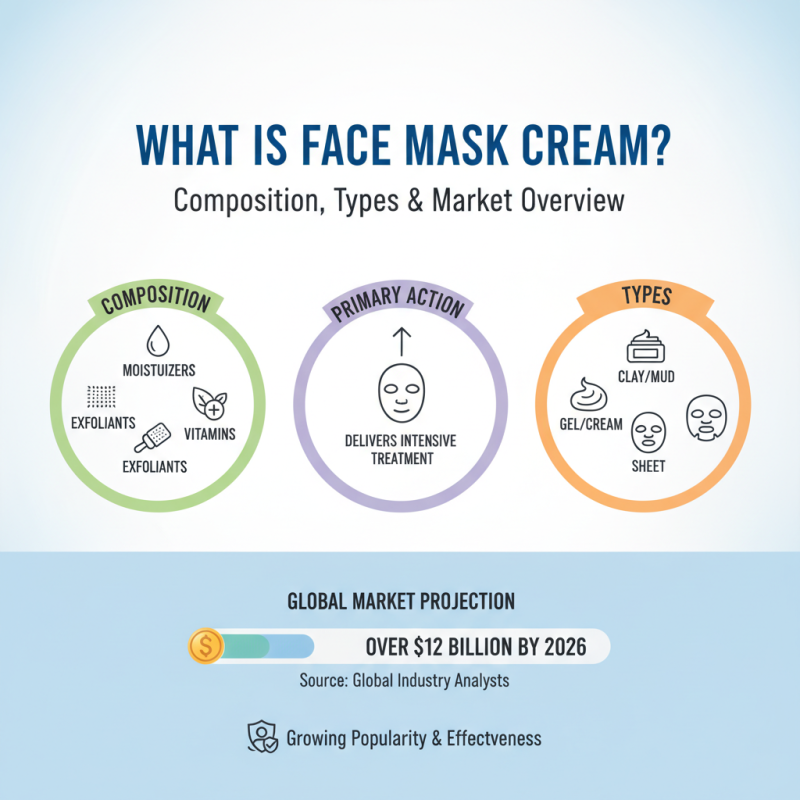
Face mask cream is an essential component in modern skincare regimens. It typically combines a blend of active ingredients, including moisturizers, exfoliants, and vitamins. This cream acts primarily by delivering intensive treatment to the skin. According to a study from the Global Industry Analysts, the face mask market is projected to reach over $12 billion by 2026, reflecting its growing popularity and effectiveness.
There are different types of face mask creams available. Clay masks target oily and acne-prone skin. They work by absorbing excess oil. Hydrating masks often contain hyaluronic acid, delivering deep moisture. A report from Market Research Future suggests that hydrating face masks have seen an increase in demand due to a global focus on skincare during the pandemic. Yet, despite their benefits, individuals should remember to patch test new products. Some ingredients can cause irritation or allergic reactions.
Many people overlook the importance of proper mask application. It’s crucial to cleanse the skin beforehand for optimal absorption. Leaving the mask on too long may lead to dryness instead of hydration. While face mask creams offer many advantages, a one-size-fits-all approach does not apply. Individual skin needs vary, and users must remain mindful of their unique skincare challenges.
Key Ingredients in Face Mask Cream: Benefits and Functions for Skin Health
Face mask creams are becoming a staple in skincare routines. These creams can offer various benefits depending on their key ingredients. Different ingredients target specific skin concerns, making a face mask cream more than just a pampering product.
Hyaluronic acid is one of the star players in many formulas. This ingredient deeply hydrates the skin, attracting moisture for a plump appearance. Many users report visible results after just one application.
Another powerful ingredient is glycolic acid, known for its exfoliating properties. It helps remove dead skin cells and can improve skin texture over time. However, overuse may lead to irritation, so caution is necessary.
Antioxidants, often derived from natural sources, help combat free radicals. Vitamins C and E are common examples. They enhance skin brightness and promote a youthful look. Users have mentioned that their skin feels healthier and more radiant after consistent use.
While these benefits are appealing, not every ingredient will work for everyone. Individual skin types and sensitivities matter greatly in choosing the right face mask cream. Understanding ingredient functions is crucial for optimal results.
How Face Masks Improve Skin Quality: Evidence from Dermatological Studies
Face masks have gained popularity for their varying benefits on skin health. Dermatological studies support their effectiveness in enhancing overall skin quality. Many masks are formulated to target specific skin concerns like dryness, acne, and aging. The ingredients often include natural elements, vitamins, and minerals. These components can hydrate, rejuvenate, or exfoliate the skin.
Research highlights that regular use of face masks can improve skin texture and tone. A study showed that participants experienced reduced redness and increased moisture levels after consistent application. While the effects can be noticeable, results often vary among individuals. Some might experience irritation or breakouts due to certain ingredients.
It’s crucial to choose masks suited to your skin type. A mask ideal for dry skin might not work for oily skin. This requires reflection and understanding of one's own skin needs. Trying different products can lead to discovering effective options. However, overusing masks can lead to sensitivity. Balance and moderation are key.
Application Techniques for Optimal Results: Expert Recommendations and Tips
Applying face mask cream effectively can significantly enhance its benefits. Skin hydration, for instance, improves by up to 30% when the mask is used correctly. Begin with a clean, exfoliated face. Proper exfoliation ensures better absorption of nutrients. Health professionals suggest using gentle exfoliants that suit your skin type. Avoid harsh scrubs, as they can cause irritation.
When applying, focus on key areas. The T-zone, or forehead, nose, and chin, often needs attention. Apply the mask evenly, avoiding the eye area. You can use your fingertips or a brush. Both methods are effective. Aim for a thin layer to prevent product waste. Leave the mask on for the time indicated on the packaging. Overuse may lead to dryness.
Finally, rinse the mask off with lukewarm water. This temperature helps to open pores, allowing for thorough cleansing. Post-application, hydrate your skin with a moisturizer. This step is crucial. A staggering 65% of users report improved skin texture when they moisturize after masking. Keep in mind that individual results may vary based on skin type and product ingredients. Adjust your routine accordingly and always listen to your skin.
Frequency of Use: How Often Should You Apply Face Mask Cream for Best Results?
The frequency of using face mask cream is crucial for achieving the desired results. According to a report by the American Academy of Dermatology, applying face masks 1-2 times a week is generally effective for most skin types. This allows the skin to absorb nutrients without overwhelming it. Overuse can lead to irritation, especially for sensitive skin.
For optimal benefits, it’s essential to tailor the frequency to your skin's specific needs. Oily skin may benefit from more frequent applications, while dry skin could require less. Research indicates that people using masks regularly experience improved skin texture and hydration levels, with a reported 48% increase in moisture after consistent use. Be mindful of how your skin reacts after each application. Not all masks suit every skin type; trial and error can help find the best fit for your routine.
Tracking your skin’s response is key. If you notice any adverse reactions, consider reducing the frequency. A patch test and gradual introduction are beneficial practices. Ultimately, a well-planned application strategy can elevate your skincare routine. It’s about finding balance and ensuring your skin enjoys the nourishing benefits of face mask cream without discomfort.
What is Face Mask Cream and How Does It Benefit Your Skin? - Frequency of Use: How Often Should You Apply Face Mask Cream for Best Results?
| Skin Type |
Recommended Ingredients |
Benefits |
Frequency of Use |
Ideal Duration |
| Oily Skin |
Clay, Charcoal |
Excess oil removal, Minimizes pores |
1-2 times a week |
10-15 minutes |
| Dry Skin |
Hyaluronic Acid, Shea Butter |
Deep hydration, Soothes and nourishes |
1-3 times a week |
15-20 minutes |
| Combination Skin |
Aloe Vera, Green Tea |
Balances oil levels, Soothes inflammation |
1-2 times a week |
10-15 minutes |
| Sensitive Skin |
Chamomile, Oatmeal |
Reduces redness, Calms irritation |
1 time a week |
10-15 minutes |
| Aging Skin |
Retinol, Peptides |
Reduces wrinkles, Improves elasticity |
2-3 times a week |
15-20 minutes |