Top Face Mask Creams for Glowing Skin What Should You Choose?
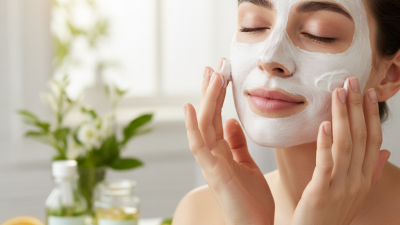
When it comes to skincare, the right Face Mask Cream can transform your routine. Renowned skincare expert Dr. Lisa Randell states, "A quality face mask can not only hydrate but also rejuvenate your skin." This emphasizes the importance of selecting a product that truly meets your skin's needs.
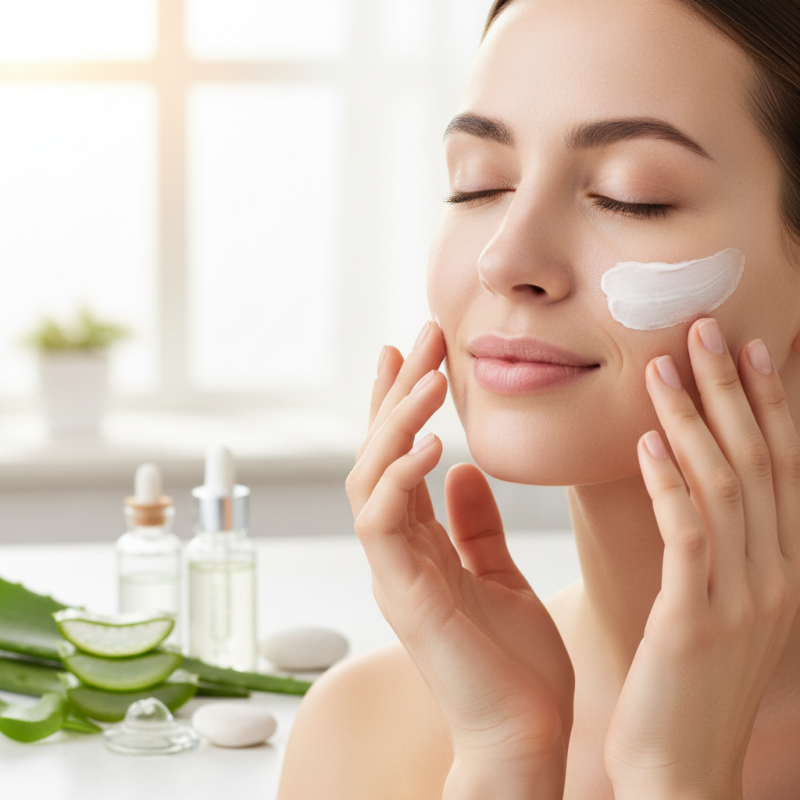
The market is flooded with options, but not all masks deliver glowing results. Ingredients matter. Look for natural hydrators like aloe vera or hyaluronic acid. These elements nourish and enhance your complexion. Many consumers face confusion over which mask to choose. It's not merely about price or packaging; effectiveness is key.
Creating a glowing appearance requires thoughtful choice. Consider your skin type and concerns. For instance, if you're dealing with dryness, a cream rich in moisture is vital. Not every Face Mask Cream will suit everyone. Reflect on past experiences with different products. Learning from these can significantly influence your choices.
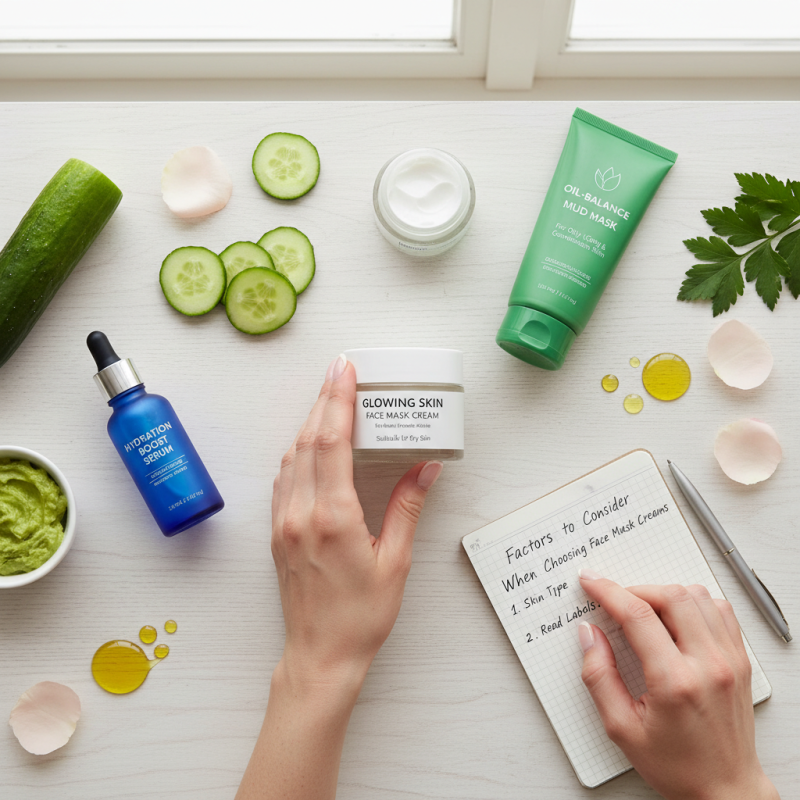
Factors to Consider When Choosing Face Mask Creams
When selecting a face mask cream for glowing skin, several key factors should guide your decision. Consider your skin type first. Oily, dry, and combination skin each react differently. A mask suitable for oily skin might exacerbate dryness in others. Always read the labels carefully to ensure compatibility.
Next, examine the ingredients. Natural botanicals can be beneficial for skin rejuvenation. Look for masks with antioxidants, vitamins, and hydrating elements. Avoid synthetic fragrances or harsh chemicals, as they can lead to irritation. Always perform a patch test before full application to ensure there’s no adverse reaction.
Think about your skin goals. Are you aiming for hydration, brightening, or anti-aging benefits? Understand what your skin needs. Regular use will yield the best results. However, it’s essential to avoid overuse; too many masks can disrupt your skin barrier. Finding the right balance may take time and patience, but the process can lead to significant improvements.
Types of Face Mask Creams for Glowing Skin
When it comes to achieving glowing skin, face mask creams offer various approaches. The right type can enhance your skin's texture and radiance. Hydrating masks are ideal for dry skin, providing a moisture boost. Look for ingredients like hyaluronic acid and aloe vera. These masks can leave your skin feeling plump and refreshed.
Clay masks are another option. They are great for oily or acne-prone skin. They draw out impurities and excess oil effectively. However, they can sometimes be drying, so use them sparingly. Clay masks might not suit sensitive skin types, so patch-testing is essential before application.
Exfoliating masks can brighten your complexion. They often contain glycolic or lactic acid. These ingredients help in sloughing away dead skin cells. Yet, overuse can lead to irritation, making consistency key. Balancing use is crucial for best results. Choose masks that suit your individual skin needs, and always listen to your skin’s response.
Top Face Mask Creams for Glowing Skin
| Type of Face Mask |
Key Ingredients |
Benefits |
Skin Type |
| Hydrating Mask |
Hyaluronic Acid, Glycerin |
Deep moisture, plumping effect |
Dry, Dehydrated |
| Clay Mask |
Kaolin, Bentonite |
Detoxifying, oil control |
Oily, Acne-Prone |
| Peel-off Mask |
Charcoal, Fruit Extracts |
Deep cleansing, exfoliation |
All Skin Types |
| Sheet Mask |
Collagen, Niacinamide |
Instant hydration, brightening |
All Skin Types |
| Brightening Mask |
Vitamin C, Licorice Extract |
Brightens skin, evens tone |
Dull, Uneven |
Key Ingredients to Look for in Face Mask Creams
When choosing face mask creams for glowing skin, specific ingredients make all the difference. Look for masks containing hyaluronic acid. This ingredient is well-known for its hydrating properties. It draws moisture into the skin, creating a plump and dewy appearance.
Next, consider masks with antioxidants like vitamin C. This powerful component brightens the skin and helps reduce dark spots. You might also find niacinamide helpful. It's great for calming inflammation and improving overall skin texture. However, not all masks will suit all skin types. Some people may experience irritation from potent ingredients. Always perform a patch test first to avoid adverse reactions.
Additionally, masks with natural extracts, like aloe vera or green tea, can be soothing. They provide hydration and protection for your skin. While it's tempting to opt for an instant glow, keep in mind that results vary. Sometimes, the search for the perfect mask feels endless. Take time to find what truly works.
Application Tips for Maximum Effectiveness of Face Masks
To maximize the effectiveness of face masks, proper application is key. Research indicates that applying masks on clean, dry skin enhances absorption. The skin can better absorb nutrients when it is free from oily residues and impurities. Industry data highlights that skin hydration increases by up to 30% with this method. This practice not only boosts mask efficacy but also promotes a luminous glow.
Applying masks in a gentle, even layer is crucial. Thick applications may impede absorption, preventing the skin from benefiting fully. Experts recommend the use of a spatula for even product distribution. Applying in upward motions can stimulate circulation, which can improve skin texture. It's also essential to consider the duration of application. Leaving a mask on longer than recommended can lead to irritation instead of rejuvenation.
Listening to your skin is vital. Some may experience redness or sensitivity, indicating overuse of certain active ingredients. Consulting with a dermatologist can provide tailored recommendations. Remember, everyone’s skin is unique. Regular assessments of your mask’s impact can guide you to make better choices for glowing skin.
Top Recommended Face Mask Cream Brands for Glowing Skin
When choosing a face mask cream for glowing skin, it's crucial to consider the ingredients. Look for masks that are rich in antioxidants, vitamins, and natural extracts. These elements nourish the skin and promote a radiant appearance. Popular ingredients include hyaluronic acid, vitamin C, and botanical oils. Masks with these elements can hydrate and rejuvenate your skin.
Tips: Always patch-test a new product. Apply a small amount on your wrist and wait 24 hours. This helps to avoid allergic reactions. Also, consider your skin type before selecting a mask. Oily skin may benefit from clay masks while dry skin could thrive with cream-based formulas.
For an effective skincare routine, don't forget to exfoliate before applying the mask. This step removes dead skin cells and enhances absorption. Moisturizing afterwards is also vital. A rich moisturizer locks in the benefits of the mask. Remember to adjust your skincare regimen based on seasonal changes. Be aware that sometimes, less is more; using too many products can irritate your skin. Be mindful of your skin's reactions and adjust accordingly.