How to Choose the Best Face Mask Cream for Your Skin?
Choosing the right Face Mask Cream can transform your skincare routine. It’s essential to understand your unique skin type. Different ingredients work for oily, dry, or combination skins. Some products claim to offer magic results, but many do not deliver.
When selecting a Face Mask Cream, look for reputable brands. Check reviews and ingredient lists. Natural ingredients often provide gentler care. Keep an eye out for potential allergens. Sometimes, a product that seems perfect may not suit your skin. Don't be afraid to experiment, but also be cautious.
Consulting with a skincare professional can offer valuable insights. They can guide you toward effective options based on your specific needs. Remember, skincare is personal. What works for others may not work for you. Be patient and willing to adjust your choices as needed.
Understanding Your Skin Type for Face Mask Selection
Understanding your skin type is crucial when choosing a face mask cream. Oily, dry, sensitive, and combination skin all have unique needs. According to the American Academy of Dermatology, approximately 50% of adults experience skin issues related to oiliness. For oily skin types, clay masks can help absorb excess oil and prevent breakouts.
Dry skin, on the other hand, benefits from hydrating masks. These often include ingredients like hyaluronic acid or glycerin. The Journal of Clinical and Aesthetic Dermatology suggests these ingredients can increase skin moisture levels by up to 50%. Sensitive skin sufferers should seek calming ingredients such as chamomile or aloe vera. Yet, not all soothing masks are effective for everyone. Always patch test new products, as reactions can vary.
Combining various ingredients can yield unforeseen results. For instance, a mask containing both exfoliating acids and hydrating agents may not suit all skin types. Individual reactions can depend on numerous factors, including environmental conditions or hormonal changes. Understanding your skin's specific requirements ensures you choose a mask that truly enhances your complexion rather than complicating it.
Key Ingredients to Look for in Face Mask Creams
When selecting a face mask cream, focus on key ingredients that align with your skin type. Research from the Skin Care Ingredient Database indicates that formulations containing hyaluronic acid provide optimal hydration. This ingredient can hold up to 1,000 times its weight in water, making it ideal for dry skin types seeking nourishment.
Antioxidants such as vitamin C and E are also essential. They protect against environmental stressors and promote skin repair. A study in the Journal of Cosmetic Dermatology suggests that these antioxidants can enhance the overall appearance of the skin. Including ingredients like kaolin clay in a mask can draw out impurities from oily skin without over-drying it.
Lastly, botanical extracts like green tea and chamomile are highly beneficial. They soothe inflammation and enhance skin radiance. While many masks claim to contain these ingredients, checking the concentration is critical. Sometimes, formulations may include only trace amounts, rendering them less effective. A critical evaluation of ingredient lists can reveal much about the product’s true efficacy.
Identifying Specific Skin Concerns and Their Solutions
Choosing the right face mask cream requires understanding your skin's specific concerns. Different skin types and issues require tailored solutions. For instance, dry skin often craves hydration, while oily skin may need balancing.
Sensitive skin types should look for calming ingredients, while those with acne concerns should focus on products with blemish-fighting properties.
Consider your skin's unique needs. If your skin feels tight or flaky, opt for a hydrating mask. Ingredients like hyaluronic acid or glycerin can be beneficial. For those struggling with oiliness, a clay-based mask may help. This type of mask absorbs excess oil and unclogs pores.
When selecting a face mask, read labels carefully. Look for keywords and ingredients that suit your issues. Research the product's claims to ensure they are backed by scientific evidence. Personal experiences shared by others can guide your choices. Keep in mind that what works for one person may not work for you. Always patch test before applying it to your entire face. Your ideal mask should provide benefits without causing irritation or breakouts.
Tips for Application and Frequency of Use
Choosing the right face mask cream involves understanding how to apply it properly and how frequently to use it.
Application techniques can significantly enhance your skincare routine. For instance, always start with a clean face.
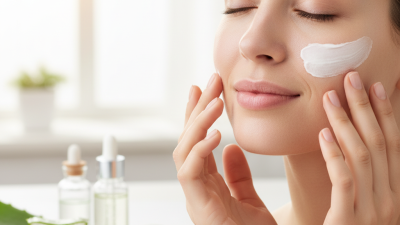
Gently massage the cream onto your skin in circular motions. This helps the product penetrate better.
Industry studies suggest that using fingers can be more effective than tools, as it allows for a personalized touch.
Frequency of use varies by skin type. A report by the American Academy of Dermatology underscores that oily skin may benefit from masks up to three times a week.
In contrast, dry skin types should limit application to once a week. Overuse can lead to irritation and may disrupt your skin's natural barrier.
Observing how your skin reacts is essential. If redness or excessive dryness appears, it might be time to rethink your usage frequency.
Maintaining a balance is crucial. Keep track of how your skin feels after each application.
Adjust your routine based on its response. Consult with a dermatologist for tailored advice, especially if you have specific concerns.
After all, the goal is to support your skin's health, not compromise it.
Evaluating Product Reviews and Recommendations
When choosing the best face mask cream, evaluating product reviews is essential. According to a beauty industry report, 70% of consumers rely on online reviews before trying new skincare products. This reliance highlights the importance of trustworthy feedback. Seek out reviews that detail ingredient efficacy and personal experiences. Look for patterns in users' reports. Are there common themes? Successful products often have positive feedback regarding hydration, texture, and scent.
In addition, consider recommendations from skincare professionals. A 2022 survey of dermatologists revealed that 65% endorse reviewing user experiences before recommending products. This professional endorsement adds credibility to the user feedback. Pay attention to any critique as well. Not all reviews will be glowing. Some users might find particular masks ineffective. Reflecting on this diversity of experiences can guide you toward options that truly suit your skin type.
Finally, cross-reference evaluations from multiple sources. Forums, blogs, and beauty websites will provide varying perspectives. This comprehensive approach helps in understanding a product's performance. It is not just about finding a popular cream but also identifying one that genuinely meets your skin needs.